
4Runner KDSS Explained: Lean, Problems & Fixes
If you own a Trail or TRD Off-Road 4Runner, there's a good chance it has KDSS - and if you've ever noticed your rig sitting crooked or wondered why lifting it feels complicated, KDSS is why. Here's what it is, what goes wrong, and how to fix it.
Quick picks
- Best all-around fix for post-lift handling: Dr. KDSS Track Bar — $430
- Easiest axle-centering fix (no welding): B.O.T.C.K Bolt-On Track Bar Correction Kit — $220
- For KDSS lean: KDSS Control Harness Kit — $165
- Browse everything: Dr KDSS collection
What is KDSS?
KDSS stands for Kinetic Dynamic Suspension System. It's a hydraulic system Toyota fits to select 4Runners (Trail and TRD Off-Road trims) that links the front and rear stabilizer (sway) bars through hydraulic cylinders. On pavement, the system keeps the sway bars connected, so your 4Runner corners flat with minimal body roll. Off-road, it releases hydraulic pressure, effectively disconnecting the bars so the suspension can articulate freely over obstacles. It's the reason a KDSS-equipped 4Runner can feel composed on the highway and flexy on the trail with no driver input at all.
Which 4Runners have KDSS?
KDSS was offered on the 5th gen 4Runner (2010–2024), as an option on Trail and TRD Off-Road trims. Not every truck has it — TRD Pro, SR5, and Limited models don't. If you're not sure, look for the hydraulic cylinders mounted near the sway bars, or check your VIN/build sheet.
Common KDSS problems
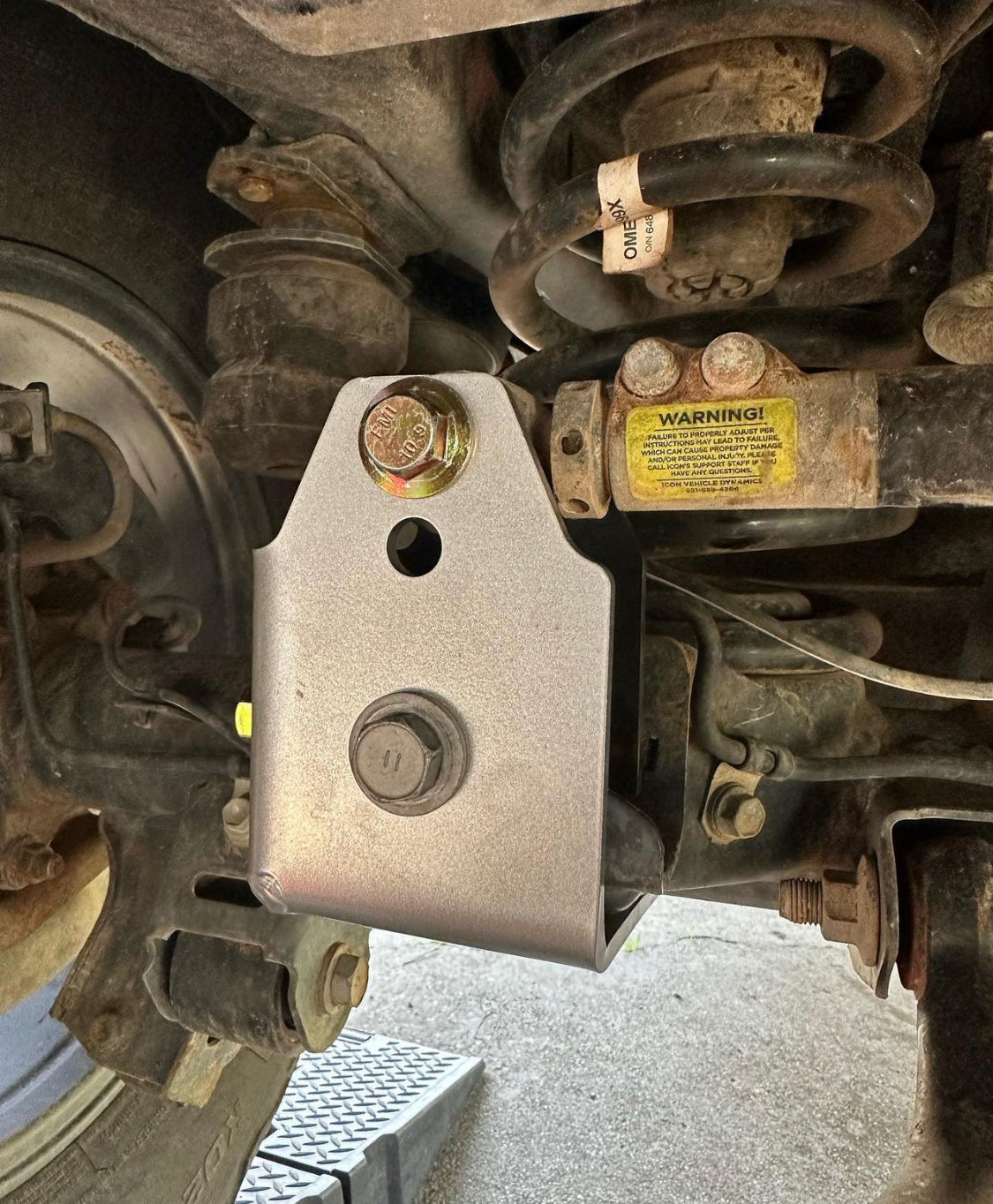
B.O.T.C.K Bolt-On Track Bar Correction Kit (4th/5th Gen 4Runner, GX460/470, FJ Cruiser, Prado 150) — $220. A bolt-on bracket kit that raises the panhard pivot to correct axle swing after a lift. No welding required — the easiest correction if you don't want to replace the whole track bar. A 6th Gen / Land Cruiser 250 / GX550 version is also available for $220.
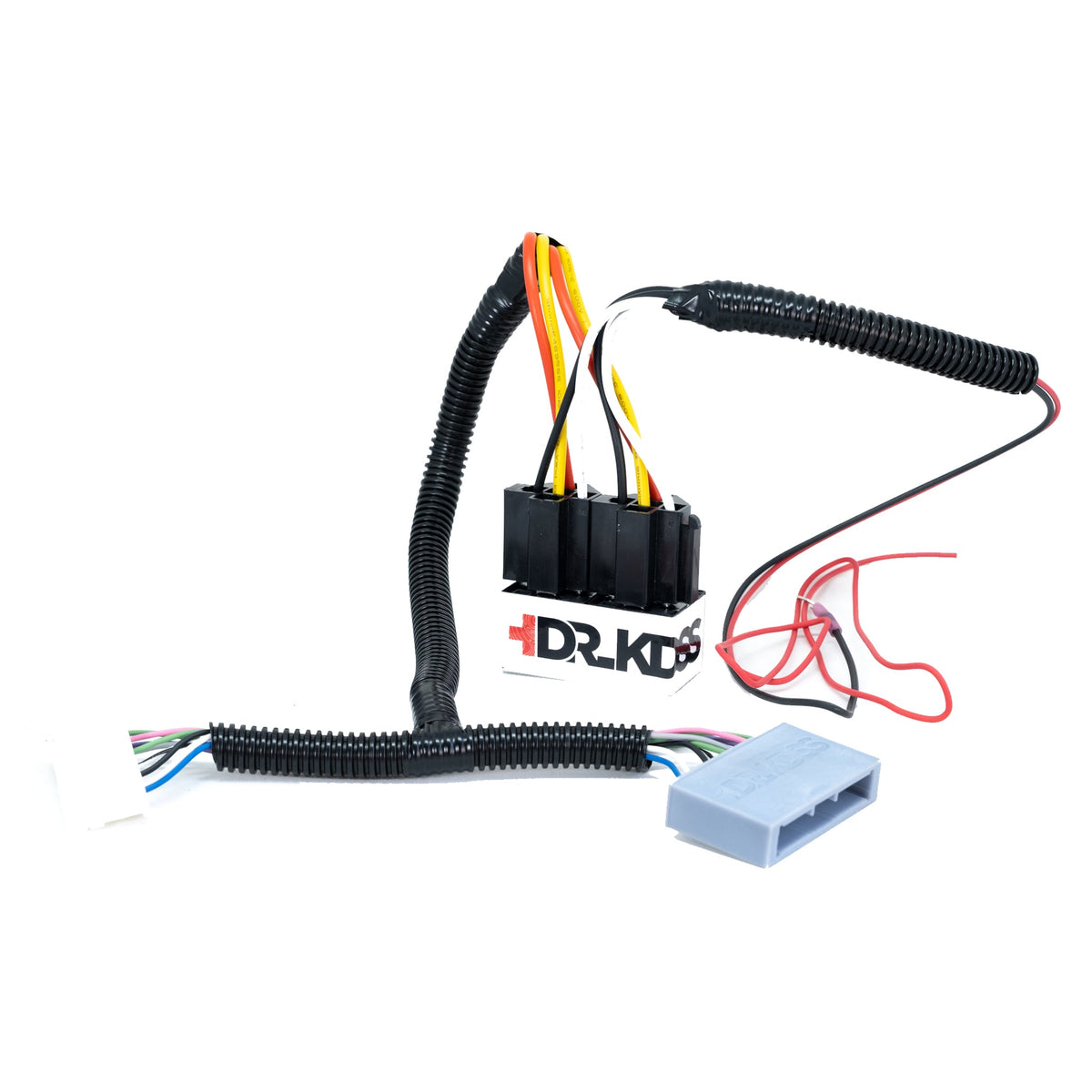
KDSS Control Harness Kit — $165. A plug-and-play harness into the KDSS ECU for manual electronic control of the hydraulic valves — the go-to for addressing KDSS lean and tuning suspension feel.
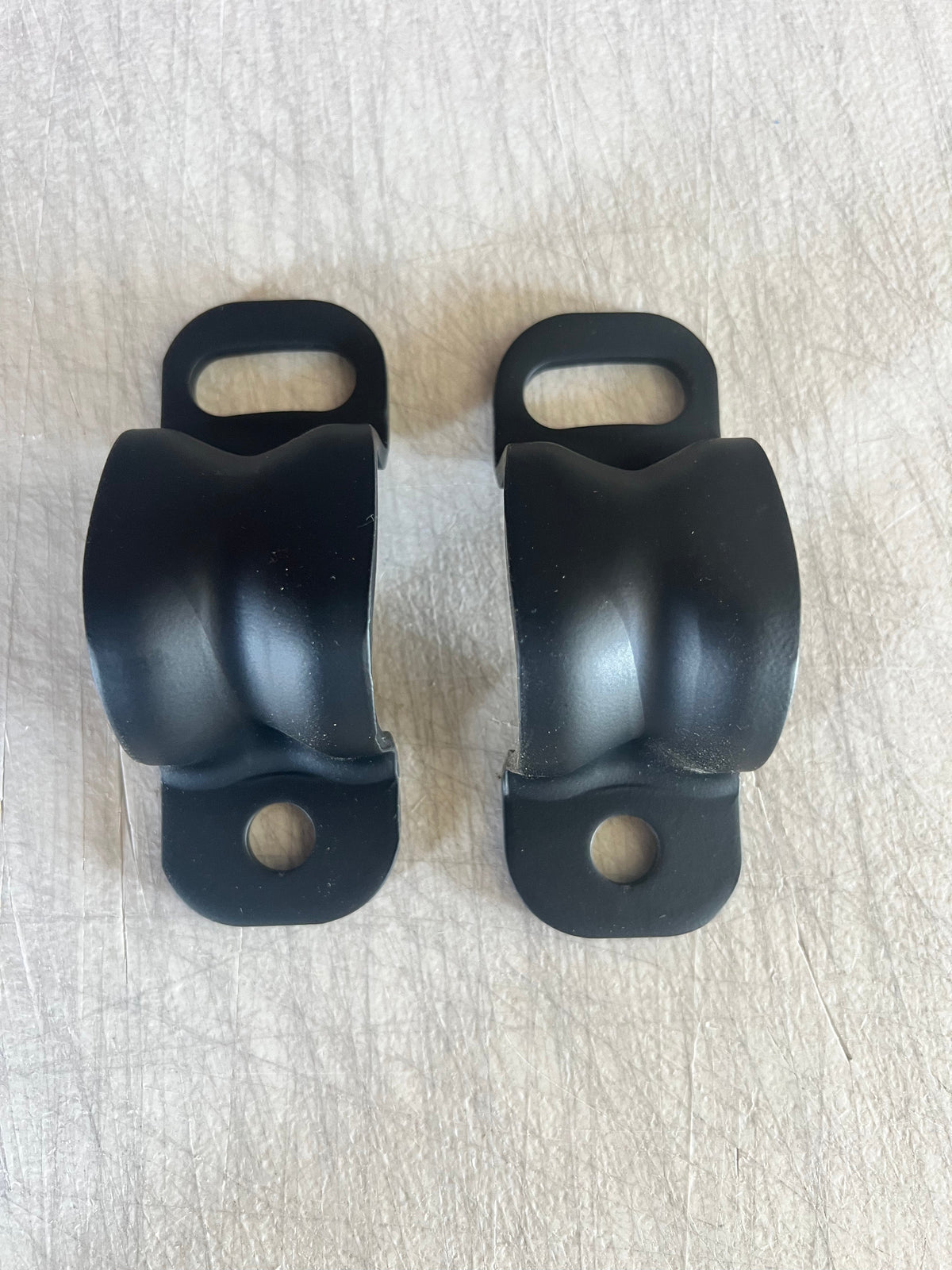
KDSS Bushing Bracket — from $89. A CNC-machined adjustable front KDSS bushing bracket that corrects sway-bar bushing angle caused by lifts, eliminating binding.
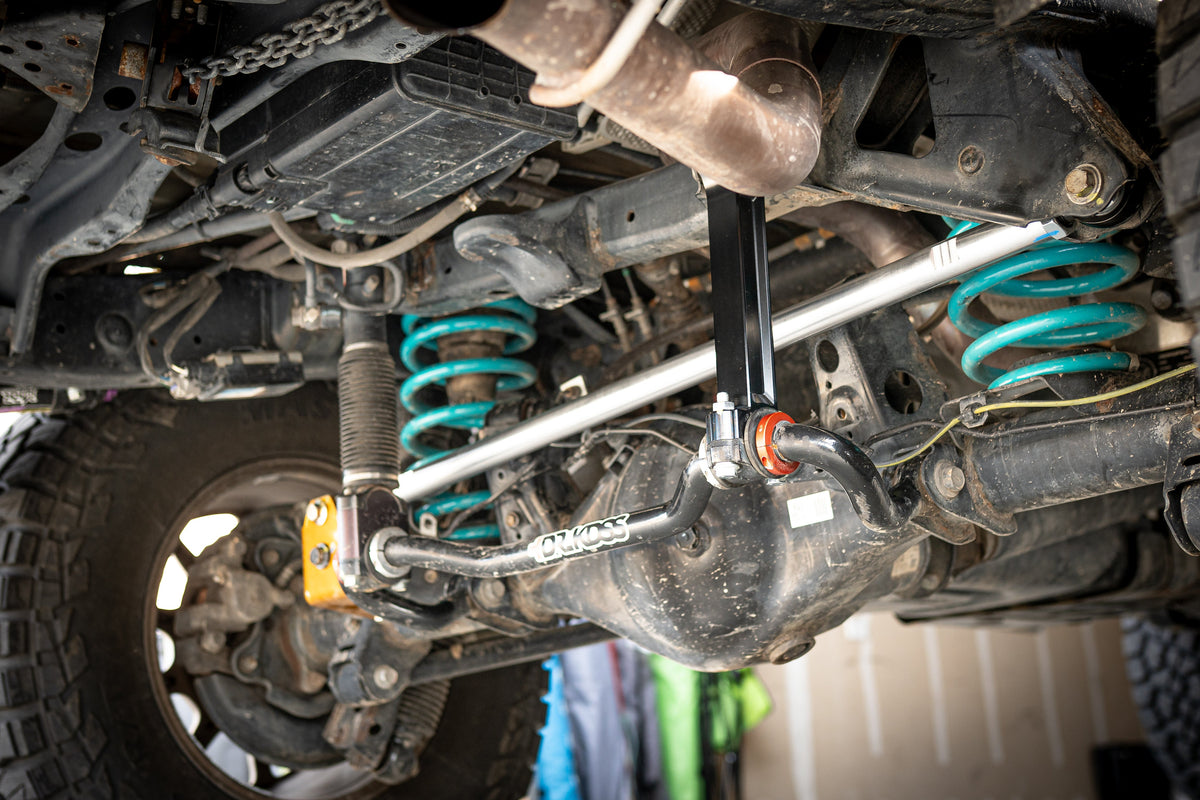
KDSS Rear Sway Bar Drop Kit — from $90. A longer, stronger 7075 billet replacement for the weak OEM rear KDSS fixed link — built for lifted trucks, protects the KDSS strut, and allows full droop.
For the full lineup — clamps, links, spacers, switches, and more — browse the Dr KDSS collection.
Frequently asked questions
What does KDSS do on a 4Runner?
KDSS (Kinetic Dynamic Suspension System) hydraulically links the front and rear sway bars. It keeps them connected on-road for flat cornering and releases them off-road for maximum suspension articulation — automatically, with no driver input.
Which 4Runner trims have KDSS?
KDSS was offered on the 5th gen 4Runner (2010–2024) as an option on Trail and TRD Off-Road trims. TRD Pro, SR5, and Limited models don't have it.
What is KDSS lean?
KDSS lean is when the vehicle sits visibly lower on one side. It's one of the most common KDSS complaints and can appear on stock trucks or get worse after a lift. Recalibration or manual valve control (like a control harness) can help correct it.
Can you lift a 4Runner with KDSS?
Yes, but the lift changes sway-bar and track-bar geometry, which is where most KDSS headaches come from — bushing bind, axle shift, and lean. Correction brackets, adjustable track bars, and geometry-correcting bushings are made specifically for this.
Is axle wag a KDSS problem?
Usually not — post-lift axle wag (the rear end stepping sideways over bumps) is typically track-bar geometry, not the KDSS system itself. An adjustable track bar or a bolt-on correction kit fixes it.
Do I need to remove KDSS to lift my 4Runner?
No. Plenty of lifted KDSS 4Runners run the system with correction parts. Removing it is an option some choose, but geometry correction keeps the on-road manners and off-road flex KDSS was designed for.
KDSS lean. The most talked-about issue: the truck sits visibly lower on one side (often the driver's side). It can show up stock or get worse after a lift. The system sometimes needs recalibration, and manual control of the hydraulic valves can help level it back out.
Bushing wear and bind after lifting. A suspension lift changes sway-bar geometry. The factory rubber bushings weren't designed for the new angles, which leads to binding, noise, and premature wear.
Axle shift after a lift. Lifting the rear moves the axle sideways because the track bar (panhard bar) swings in an arc. The result is axle wag — the rear end feels like it steps sideways over bumps. People often blame KDSS, but it's usually track-bar geometry.
The fixes

Dr. KDSS Track Bar — $430. A lightweight, fully adjustable 7075 billet aluminum track bar that recenters the rear axle after a lift, with 7/8" heims for improved articulation. This is the direct fix for post-lift axle wag.